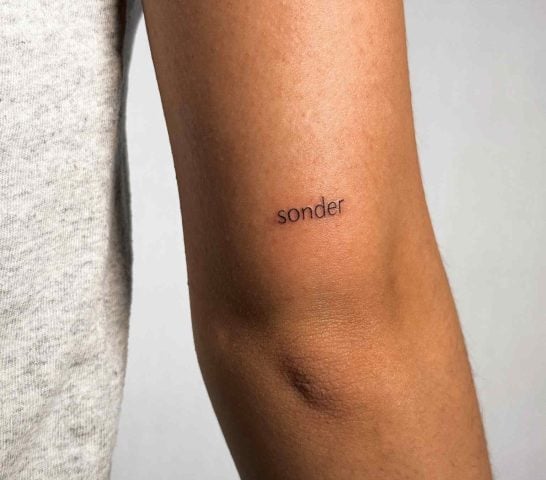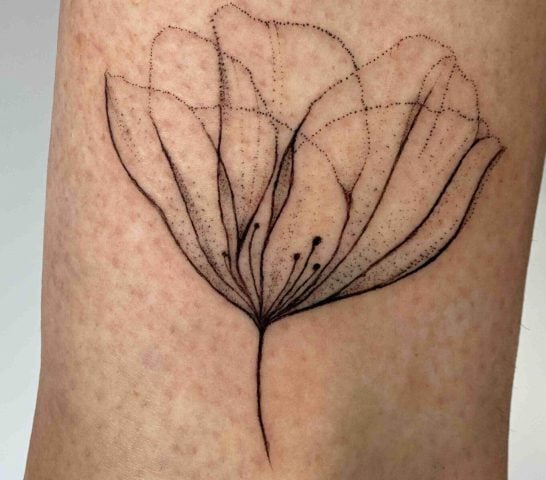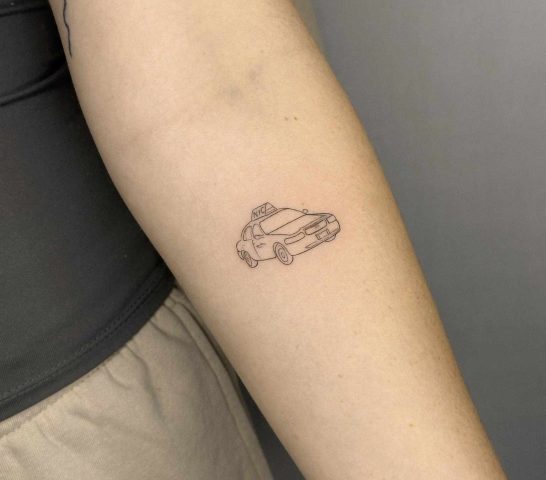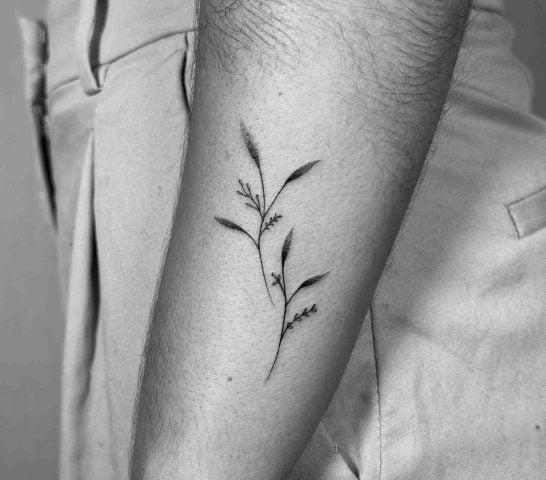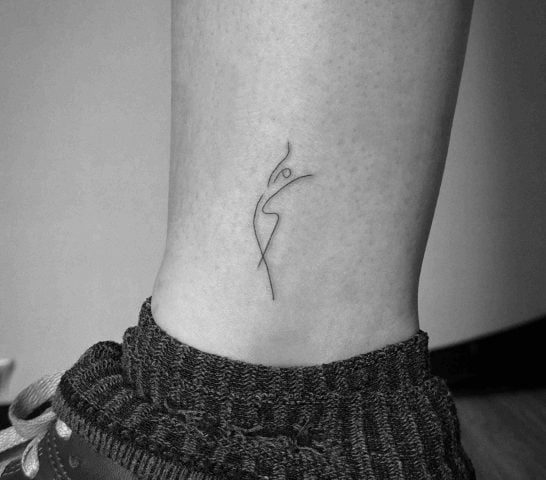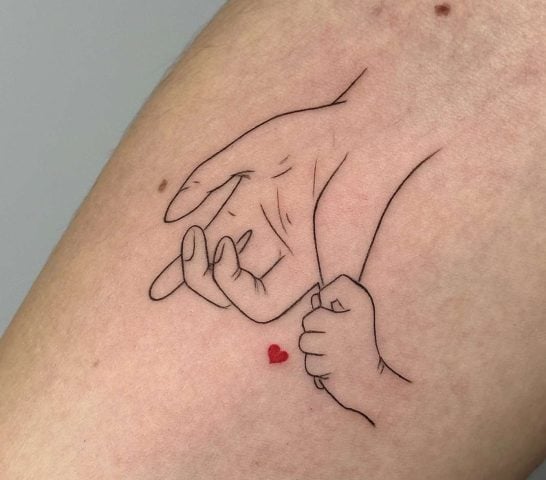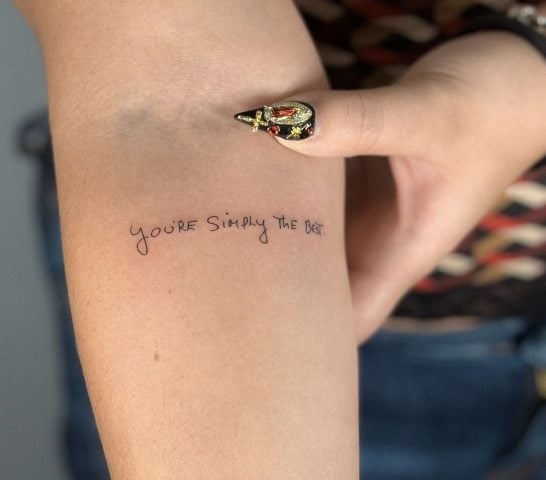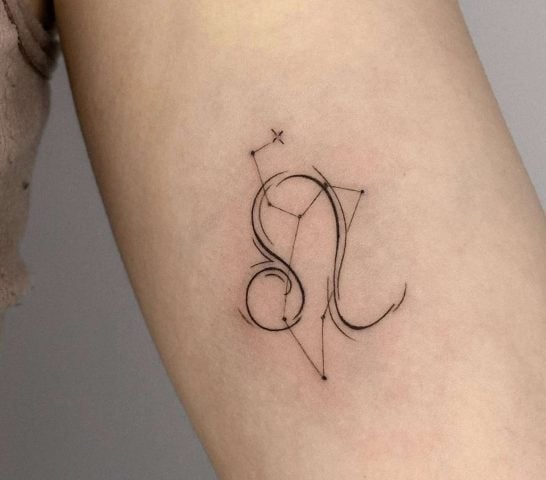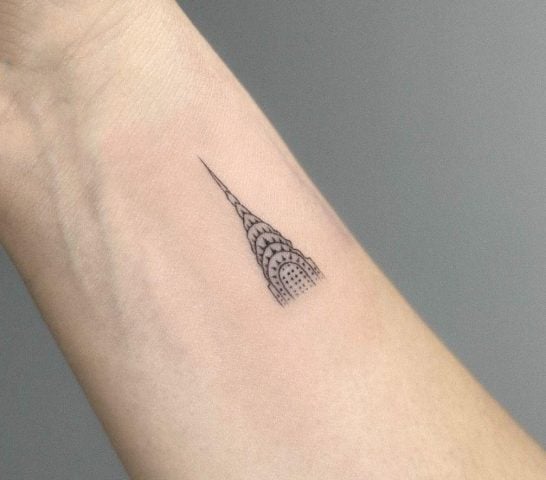
Fine line tattoos have captivated with their elegance and subtlety. But their delicate nature leads to a fair question: how do they actually age?
The truth is, fine line tattoos age differently than bold traditional pieces. They require more from both the artist and the client. This guide cuts through the hype to set realistic expectations and share the essential practices that ensure your fine line tattoo remains a beautiful, lifelong piece.
The Fine Line Aging Process: Elegance, Refined
A well-executed fine line tattoo doesn’t simply “fade away”; it often softens into a more nuanced version of itself. Because less ink is deposited and lines are finer, they are more susceptible to natural skin changes over time.
Key differences from traditional tattoos:
- Traditional Tattoos: Use bold lines and dense ink packing. They hold their shape aggressively, often thickening slightly over decades.
- Fine Line Tattoos: Rely on precision and subtlety. Over time, lines may soften and lighten slightly, but a expertly crafted piece will retain its essential form and beauty.
The risk is not careful aging, but poor application that leads to premature blurring or disappearing lines.
What Determines How Your Fine Line Tattoo Ages?
Longevity is not left to chance. These are the critical factors under your and your artist’s control:
The Artist’s Skill & Technique: This is non-negotiable. Fine line work is unforgiving. An experienced artist knows exactly how deep to place the ink, how to create stable designs, and uses high-quality equipment. This is the foundation of a tattoo that lasts.
Strategic Placement: Skin movement and friction are your tattoo’s greatest adversaries. Areas like fingers, hands, feet, and ribs will naturally experience faster fading and blurring. More stable canvases like the forearm, calf, or upper back promote significantly longer clarity.
Your Skin’s Biology: Your unique skin – its thickness, elasticity, and how it heals – plays a permanent role. Your artist can advise on how your skin type might influence the design and placement.
The Lifelong Defense: Sun Protection. UV radiation is the leading cause of tattoo fading. A high-SPF sunscreen (applied religiously) is the single most effective thing you can do to preserve your tattoo’s clarity and contrast after it heals.
5. Meticulous Aftercare (& Long-Term Skin Care): The healing process sets the stage. Following your artist’s aftercare instructions precisely ensures crisp healing. Long-term, keeping the skin hydrated with a simple moisturizer maintains a healthy canvas for the ink. For a detailed guide, read our dedicated blog post on Tattoo Aftercare Essentials.
How to Ensure Your Fine Line Tattoo Stands the Test of Time
Choose Your Artist, Not Just a Studio. Seek a specialist whose portfolio is filled with healed fine line work (years old, not just fresh). Examine how their pieces have settled. This style is a specific craft.
Listen to Professional Guidance. A great artist will be honest about what will and won’t work long-term for your chosen design and placement. They may suggest subtle adjustments for stability without compromising the art.
Become a Sunscreen Evangelist. Make SPF 30+ a non-negotiable part of your daily routine, covering your tattoo.
Plan for a Touch-Up as Part of the Journey. View this as maintenance, not a flaw. A subtle refresh every 5-10 years can restore the original crispness with minimal effort. A well-done tattoo is always easy to touch up.
The IGLÀ Commitment: Precision Built to Last
At IGLÀ, we approach fine line tattooing with a respect for both its immediate beauty and its long-term lifespan. Our technique is built on a foundation of precision needlework, superior ink, and a deep understanding of skin dynamics. We craft tattoos intended to age gracefully—softening like a cherished drawing in a book, not blurring into obscurity.
We guide you through every choice, from design to placement, to ensure you carry a piece you’ll love for decades.
Ready to invest in a piece designed for longevity? Book an appointment with our NYC fine line specialists to discuss your idea and see the difference expertise makes.